
Research purchasing decisions often begin with product availability and price, but those factors alone may not tell a laboratory whether a supplier is suitable for an organized research workflow. Clear product information, analytical records, research-use positioning, and traceability can all affect how easily a material is reviewed, approved, and documented.
For laboratories evaluating L-Glutathione suppliers, the better overall option may be the source that provides stronger documentation and clearer research information before the order is placed. Comparing these details can help research teams make purchasing decisions based on evidence rather than promotional language.
Start With a Clear Product Record
Researchers should first confirm that the supplier presents the material clearly enough to support internal review. The product name, supplied amount, research context, and available documentation should be easy to identify.
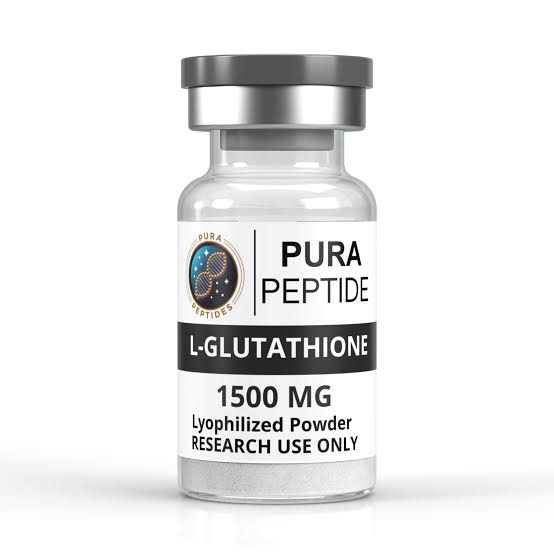
Compared with suppliers that provide only a short product description, a source presenting L-Glutathione 1500 mg within a clearly defined research framework may be easier to evaluate. Better product clarity helps procurement teams compare the listing against the requirements of the planned project.
Compare Evidence Rather Than Claims
Phrases such as premium quality, highly tested, or research grade may sound reassuring, but they provide limited value unless researchers can understand what supports them.
A supplier that provides analytical information, third-party testing details, or quality records gives laboratories more information to review than one relying mainly on broad marketing statements. The stronger comparison is therefore based on the evidence available rather than the strength of the advertising.
Check the Research-Use Positioning
Professional laboratories should make sure the supplier keeps research materials clearly separated from personal, therapeutic, or consumer use.
A source that consistently identifies its products for laboratory or analytical research may be a better overall fit than one that mixes scientific materials with consumer-oriented messaging. Clear research-only positioning helps teams maintain an appropriate procurement context from the beginning.
Review Documentation Before Approval
Research procurement often involves more than one person. Laboratory managers, purchasing staff, or investigators may all need to review the same information before an order is approved.
A supplier whose product records are easier to locate and preserve can simplify this process. Compared with a source that requires repeated follow-up for basic documentation, clearer records may provide stronger overall value to a research organization.
Consider the Material in a Wider Recordkeeping System
When evaluating an L-Glutathione research material, laboratories should think beyond the product page itself. Order details, available quality records, batch information, receiving notes, and internal inventory identifiers may all become part of the project record.
A supplier that provides information capable of fitting into this broader recordkeeping system may be easier to work with than one offering minimal documentation after the sale.
Keep Batch Information Visible
Long-term projects may eventually require another order. If a later purchase involves a new batch, researchers should be able to distinguish it from material used earlier.
Suppliers that support clearer batch or lot identification can offer practical advantages for repeated work. Batch visibility helps laboratories record when research inputs changed and compare that timing with other changes in the project.
Look at Ordering Transparency
Supplier comparison should also include the purchasing process. Clear policies, research-use restrictions, and order information can reduce administrative uncertainty before payment is made.
Compared with a source whose terms are difficult to understand, a supplier offering straightforward purchasing information may be easier to integrate into an existing laboratory approval process.
Evaluate Communication Quality
Researchers may occasionally need clarification about documentation, availability, or an order already in progress. Professional communication can therefore become another useful comparison point.
A supplier that responds clearly to legitimate procurement questions may offer better overall support than one that leaves important details unresolved. Communication does not establish scientific quality, but it can make purchasing more efficient.
Balance Price With Documentation Value
The lowest listed price may not always represent the best overall value. Missing information can create additional administrative work and delay internal approval.
A supplier that combines reasonable pricing with stronger documentation and clearer research information may therefore be more practical for some laboratories. At the same time, higher price alone should never be treated as proof of better quality.
Conclusion
Documentation quality can make a meaningful difference when laboratories compare L-Glutathione suppliers. Clear product information, research-only positioning, analytical records, batch traceability, ordering transparency, and professional communication all contribute to the overall purchasing decision. A source that performs more strongly across these areas may provide the better fit for a particular research project. Using the same evidence-based standards allows laboratories to evaluate purapeptides.com alongside other professional research suppliers in a consistent and organized way.


