
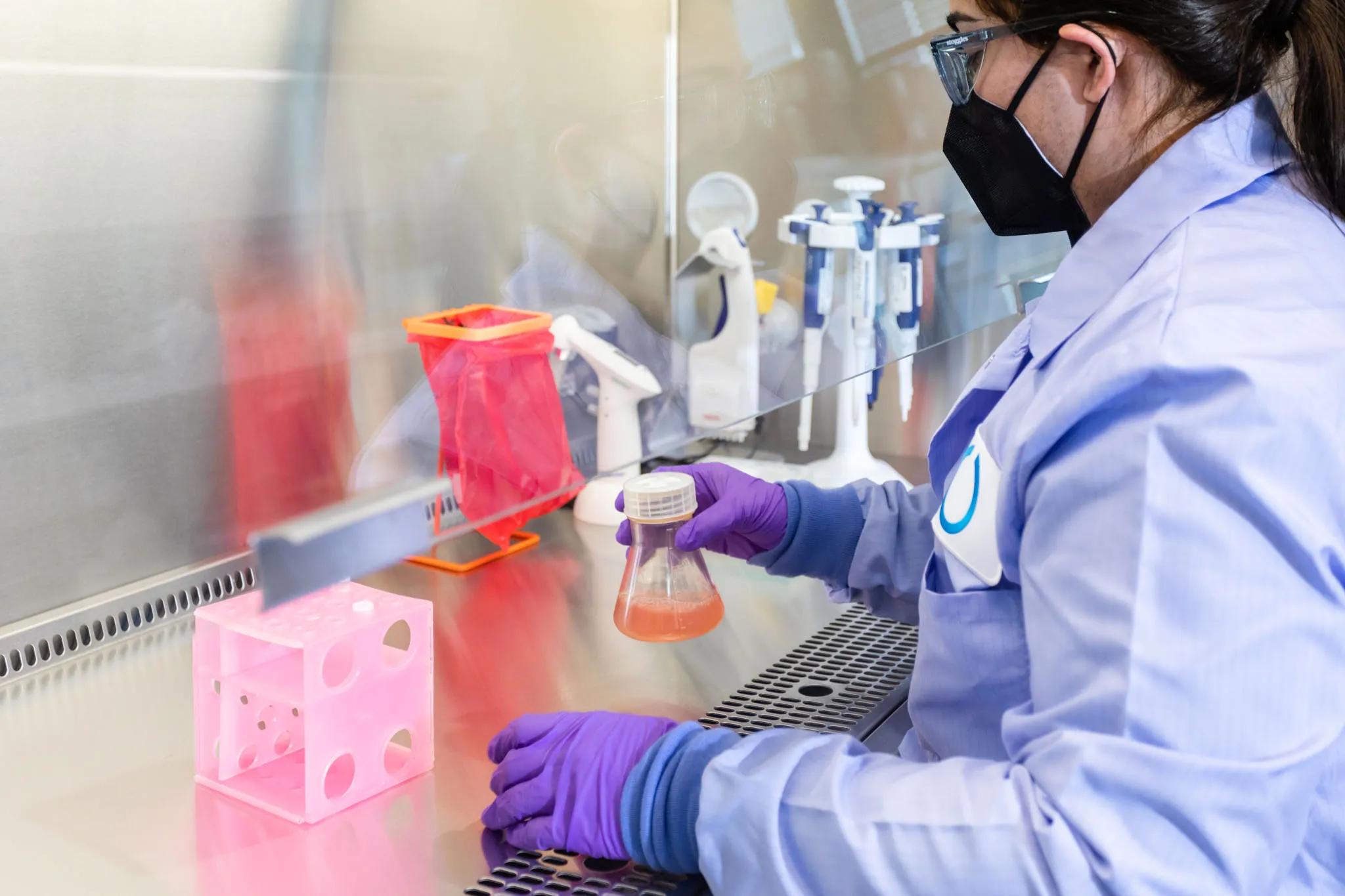
A laboratory team observes healthy-looking cells under a microscope and proceeds with its planned experiment. Days later, the results show unexplained changes that nobody can connect to the study design. The cells appeared normal, but an undetected biological contaminant may have influenced their behavior. Researchers considering 5 Amino 1MQ Peptide for Sale should recognize that research material documentation cannot establish the condition of a laboratory’s cell cultures. Hidden contamination deserves attention because it can alter experimental observations without producing obvious warning signs.
Why Healthy Appearance Can Mislead
Cell cultures do not always display visible signs when an unwanted microorganism is present. Some contaminants produce dramatic changes, while others may remain difficult to recognize through routine visual observation. Mycoplasma is a particularly important concern because certain infections can persist without obvious cloudiness or recognizable changes in cell appearance. Researchers should understand the limitations of visual inspection and follow their institution’s approved monitoring procedures. A culture that looks normal may still require supporting evidence before its experimental observations can be interpreted confidently.
Understand How Contamination Changes Experiments
Unwanted microorganisms can influence cellular metabolism, gene expression, growth behavior, and other properties relevant to scientific investigations. The resulting differences may resemble responses that researchers intended to measure. However, an unexpected cellular observation does not automatically establish contamination. Investigators should consider their experimental model, available controls, and appropriate laboratory testing before identifying a cause. Understanding these possible influences helps teams avoid treating every surprising result as evidence of a meaningful biological effect produced by the substance under investigation.
Keep Research Materials Scientifically Distinct
A laboratory investigating DSIP delta sleep peptide for sale may evaluate supplier information before considering an approved experimental application. That evaluation addresses different questions from determining whether cultured cells are free from relevant contamination. A documented research compound cannot establish the biological condition of the experimental system used to examine it. Researchers need separate evidence supporting material identity and cell culture quality. Maintaining this distinction helps prevent unexpected findings from being attributed to a compound when the underlying research model requires further investigation.
Recognize Weaknesses in Routine Monitoring
A monitoring program becomes less useful when employees assume that earlier satisfactory findings apply indefinitely. Cell cultures may pass through multiple handling sessions, storage periods, and personnel changes before an experiment concludes. Laboratories should understand which monitoring requirements apply to their work and how results are documented. Testing methods also have limitations that deserve consideration during interpretation. An earlier negative finding cannot guarantee that every later culture remains unaffected. Reliable oversight depends on appropriate evidence collected throughout the relevant research period.
Investigate Suspicious Findings Without Speculation
Suppose a cell culture experiment produces unusual growth patterns across several consecutive sessions. The team may suspect contamination, but changes in medium, equipment performance, or other experimental conditions could provide alternative explanations. Researchers should preserve relevant records and report concerns through established laboratory procedures. Qualified personnel can determine whether additional assessment is justified. Quietly discarding inconvenient observations without documentation may conceal an important problem. A transparent investigation allows scientists to distinguish confirmed findings from possibilities that remain unresolved.
Protect Collaboration Through Clear Communication
Shared cell culture facilities often support several research projects simultaneously. When a potential contamination concern emerges, the affected teams need timely information about relevant materials, equipment, and restrictions. Communication should remain factual and follow institutional biosafety procedures rather than encouraging speculation about responsibility. A clear incident record can identify which cultures require review and who has authority to make subsequent decisions. This approach helps laboratories protect unrelated work while maintaining accountability for the uncertainty discovered during an investigation.
Reconsider Findings After Contamination Concerns
Discovering a contamination concern can raise difficult questions about experiments completed before anyone noticed the problem. Researchers should examine which observations may have been affected and whether available evidence supports continued interpretation. Not every earlier result must automatically be rejected, but limitations should not be concealed. Appropriate scientific and institutional review can help determine the scope of the concern. Recording these decisions preserves the research history and prevents later publications from presenting uncertain experimental findings as though their underlying conditions were unquestionably established.
Conclusion
A microscope can reveal remarkable details about living cells, yet some of the most consequential influences remain outside ordinary visual inspection. That possibility changes how researchers should interpret an apparently healthy culture. Material options found at purapeptides.com may support scientifically justified investigations, but the experimental system itself must withstand independent scrutiny. The lesson is not to distrust every normal-looking culture. It is to recognize that appearances answer only some scientific questions. Sometimes an experiment’s missing explanation is something the microscope never clearly showed.


